You’ve spotted the opportunity. Nepal’s import market hit Rs 1.804 trillion in fiscal year 2024/25—a jump from the previous year. The numbers don’t lie: this is your window.
But here’s the real question keeping you up at night: How much cash do you actually need to get in the game?
Let’s break down the import business in Nepal investment puzzle—no corporate jargon, just the hard numbers and smart moves that separate weekend dreamers from actual importers.
The Minimum Entry Ticket: Capital Requirements
Here’s where most aspiring importers get their reality check.
For a private limited company, you’ll need a minimum paid-up capital of NPR 100,000. That’s your baseline—think of it as the cover charge to enter the club. But if you’re a foreign investor eyeing Nepal’s import opportunities, the stakes are higher: the minimum FDI requirement sits at NPR 20 million (roughly USD 150,000).
Don’t let that number scare you off. Here’s the cheat code: foreign investors can establish import businesses with up to foreign ownership in wholesale trading sectors. Retail? That door’s closed for FDI, but wholesale is your playground.
You’ll also need to open a bank account with an NPR 3 lakh bank guarantee—that’s about NPR 300,000 sitting in the bank as your safety net. Not negotiable.
Breaking Down Your Startup Costs
Registration and Legal Fees (NPR 50,000 – 150,000)
Getting legal isn’t optional. You’re looking at several must-have registrations:
- Company registration at the Office of Company Registrar
- VAT registration with the Inland Revenue Department
- Ward registration and PAN certificate
- EXIM Code from the Department of Commerce
Here’s the kicker: Nepal maintains an open import regime where no license is required for imports except for prohibited and quantitatively restricted items. That’s your green light—fewer barriers than you’d face in most markets.
Shipping and Logistics: Where Your Budget Really Gets Tested
It’s a secret weapon at your disposal when accessing KIES Sourcing and Logistics Services. Why do I say this? Because the shipping costs from China can really cast a shadow over your margins.
- The transportation from China by sea freight will cost from USD 6,000 to 6,500 for a 20-footer, while a 40-footer will be charged something between USD 10,500 and 11,500.
- Whereas air freight would cost Rs 480 per kg, road transportation would cost around Rs 80 per kg.
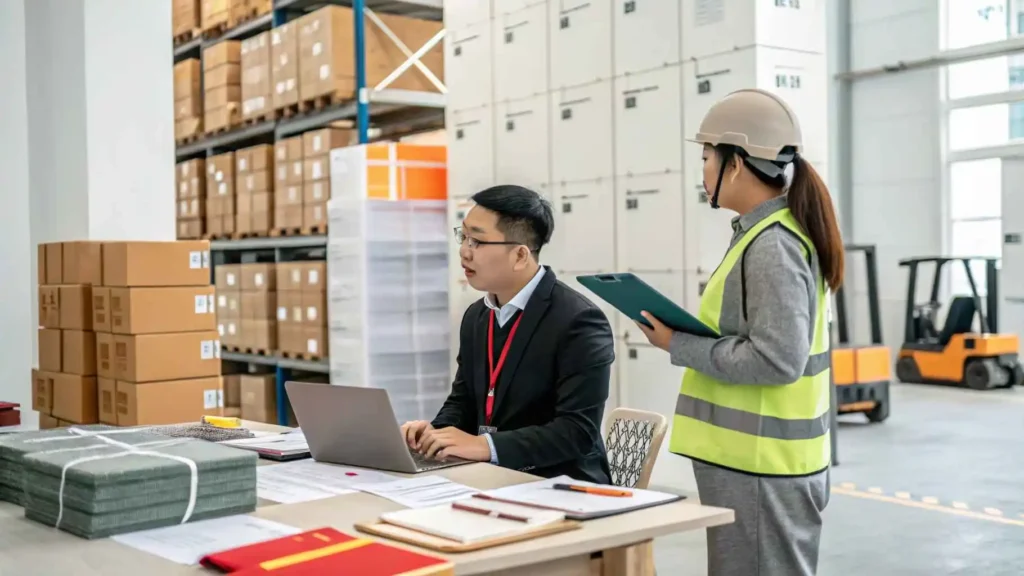
Let’s get real: one wrong shipping decision can wipe out your margin. Partner with a pro logistics company who are seasoned with Nepal customs clearance—it’s certainly not an area you want to be trial-and-erroring through.
Customs Duties and Taxes: The Government’s Cut
The customs structure in Nepal is simple, yet it is very fastidious with money.
- Basic customs duty rates range from 0% to 80%, depending on product classification.
- A VAT of 13% is applied to the customs value plus the duty.
- The excise duty is imposed upon specified goods such as spirits and tobacco.
Budget: Suppose an Rs. 10 lakhs worth shipment is imported with the customs duty levied at 20%. This means a huge amount of Rs. 2 lakhs plus a VAT of Rs. 1.56 lakhs is levied, and thus these taxes total Rs. 3.56 lakhs.
Added Operating Expenses (Budget NPR 200,000-500,000)
Such charges may include customs service charges, document processing charges, warehousing and storage charges, insurance and freight, and payment to different customs agents or brokers.
Where the Smart Money Goes: High-ROI Product Categories
Not all imports are created equal. Let’s talk about what’s actually moving.
Electronics: The Proven Money-Maker
Nepal imported Rs 6.42 billion worth of computers and parts from China alone. The electronics sector is exploding with demand for:
- Telecommunication equipment (Rs 14.82 billion)
- Electrical goods (Rs 9.16 billion)
- Video televisions and parts (Rs 1.95 billion)
- Solar panels (Rs 449.3 million)
Fashion and Consumer Goods: The Volume Play
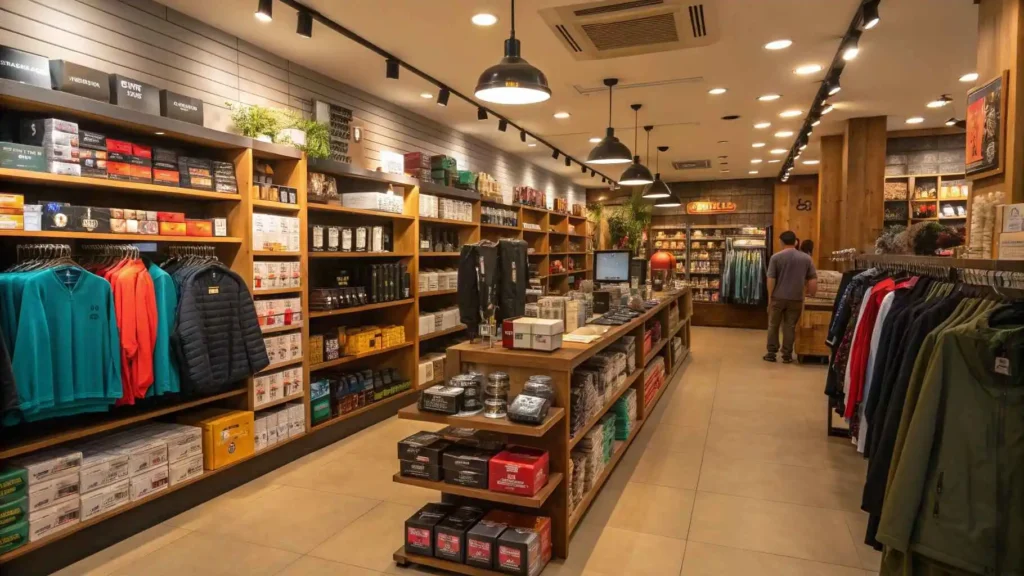
Readymade garments topped China imports at Rs 15.55 billion—that’s your proof of concept right there. Add in shoes and sandals at Rs 4.49 billion and textiles at Rs 9.84 billion, and you’ve got a market that’s perpetually hungry.
Food Products: The Necessity Trade
With billions of budgetary food items at stake, an amount of Rs 360 billion has been recorded on food items imported by Nepal, giving ample opportunity for edible oils, where Rs 144.79 billion is the total imports, and also rice and paddy, where Rs 43.42 billion is the total imports. Food never goes out of style. It’s just a matter of being devoured.
Your Hidden Advantages: Trade Agreements That Cut Costs
Other Nepalese things come your way, instead of falling apart.
- Under SAFTA (South Asian Free Trade Area), more than 5,000 items get preferential duty treatment from eight SAARC nations. Nepal receives special provisions as an LDC, meaning tax breaks to boost your margins.
- Nepal has signed bilateral agreements on trade with seventeen countries, including the US, the UK, India, and China.
- And the India-Nepal Trade Treaty really comes through for you, putting many products through at duty-free rates.
Real Investment Estimate: What You Actually Need
Let’s put it all together for a realistic first-year budget:
| Expense Category | Conservative Estimate | Comfortable Budget |
| Company Registration & Legal | NPR 100,000 | NPR 200,000 |
| Bank Guarantee | NPR 300,000 | NPR 300,000 |
| Initial Inventory Purchase | NPR 1,000,000 | NPR 3,000,000 |
| Shipping & Logistics | NPR 500,000 | NPR 1,000,000 |
| Customs Duties & Taxes | NPR 400,000 | NPR 800,000 |
| Operating Capital (3 months) | NPR 300,000 | NPR 700,000 |
| Total Investment Needed: | NPR 2,600,000 | NPR 6,000,000 |
Reality check: Start with NPR 2.6 million minimum, but NPR 4-6 million gives you breathing room when supply chain challenges inevitably pop up.
Why Partner with KIES Sourcing and Logistics Services?
Here’s the truth about import businesses: the money’s in the margins, and margins die from inefficiency.
Anything falling into supplier payments by TT/LC, safe repacking, storage, forwarding, transportation, and customs clearance is nightmare fuel for KIES. We have connections with trusted Chinese manufacturers; therefore, pricing is competitive, and you need not spend months building supplier networks.
Every stage is managed—from the factory floor all the way to your warehouse. While you concentrate on sales and R&D revenues, we ensure that containers do not sit in customs limbo and goods are not damaged during transit.
The Bottom Line
Starting an import business in Nepal isn’t a side hustle budget operation—it requires serious capital and serious partnerships. With Nepal’s growing economy, strategic location between major markets, and improving business environment, the opportunity is real.
An ineffectual opportunity is an expensive dream. Budget wisely, and work with logistics experts well versed in the import-export regulations of Nepal, focusing on products where demand and margin justify one’s investment.
The important game rewards preparation. Stack your capital, line up your logistics partner, and get moving—because that Rs 1.8 trillion market isn’t waiting for anyone.Ready to turn that investment into inventory? Connect with KIES Sourcing and Logistics Services, and let’s get your first shipment moving.